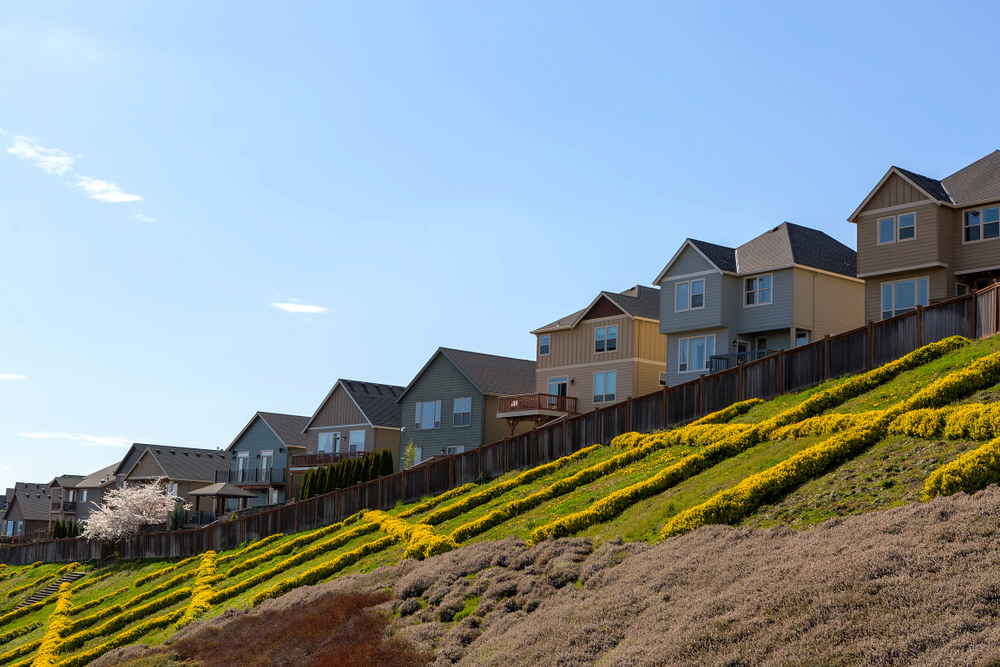
A sloped yard changes more than the appearance of a fence. Across San Antonio, where rolling terrain and noticeable elevation changes are common in many areas, the grade can affect fence layout, bottom clearance, gate placement, and how sections transition across the property.
Planning around those conditions early helps create a fence that works with the yard instead of forcing a flat-ground solution onto uneven terrain.
Match the Fence Layout to the Grade
On a sloped yard, the fence can either move with the terrain or adjust in level sections. A stepped fence keeps each section horizontal as the ground rises or falls, while a fence that follows the grade creates a smoother line along the slope.
The better fit depends on how sharply the yard changes elevation, the material being installed, and how you want the finished fence to look. This matters throughout San Antonio, where the transition between the Coastal Plains and the hilly terrain around the Balcones Escarpment can create noticeably different property grades across the area. Evaluating the actual contour of the fence line helps determine which approach will create the cleanest and most functional result.
Watch the Gaps Beneath the Fence
Sloped ground can leave more space beneath some sections of a fence, especially where a level panel crosses a dip or steeper change in grade. Those openings can affect privacy, make trimming more awkward, or create an easy escape point for pets.
If containment matters, walk the proposed fence line before installation and pay close attention to low spots and abrupt elevation changes. Small adjustments to the layout can help reduce unnecessary clearance and support a more secure enclosure, particularly when planning a fence around pets.
Place Gates Where the Ground Works With Them
A gate needs enough clearance to open through its full path, which can become difficult when the ground rises sharply near the opening. Even a small change in elevation can cause the bottom edge to catch as the gate swings.
Look for a location with a more manageable grade and enough room for the way the opening will actually be used. If the gate needs to accommodate lawn equipment, trash bins, trailers, or vehicles, consider both the width of the opening and the approach to it before finalizing the placement.
Look at the Entire Fence Line
A straight property boundary can still cross several different site conditions. One section may be relatively level while another passes over a steeper grade, tree roots, rock, a retaining wall, or an area where water moves through the yard.
Before fence installation, walk the full route and note:
- Sharp rises or drops
- Low spots beneath the proposed fence
- Areas where drainage crosses the line
- Roots, rock, or retaining features
- The most practical locations for gates
- Sections that will be highly visible from the home or street
This gives you specific conditions to discuss with your contractor instead of discovering them after the layout is already set.
Plan the Fence Around the Property
A sloped yard does not require a one-size-fits-all solution. The grade, intended use, fence material, and appearance all need to work together.
Aqua Blu Services helps San Antonio property owners plan fencing around the conditions already present on the site. Taking the terrain into account from the beginning can lead to a cleaner layout, better access, and a finished fence that feels appropriate for the property.