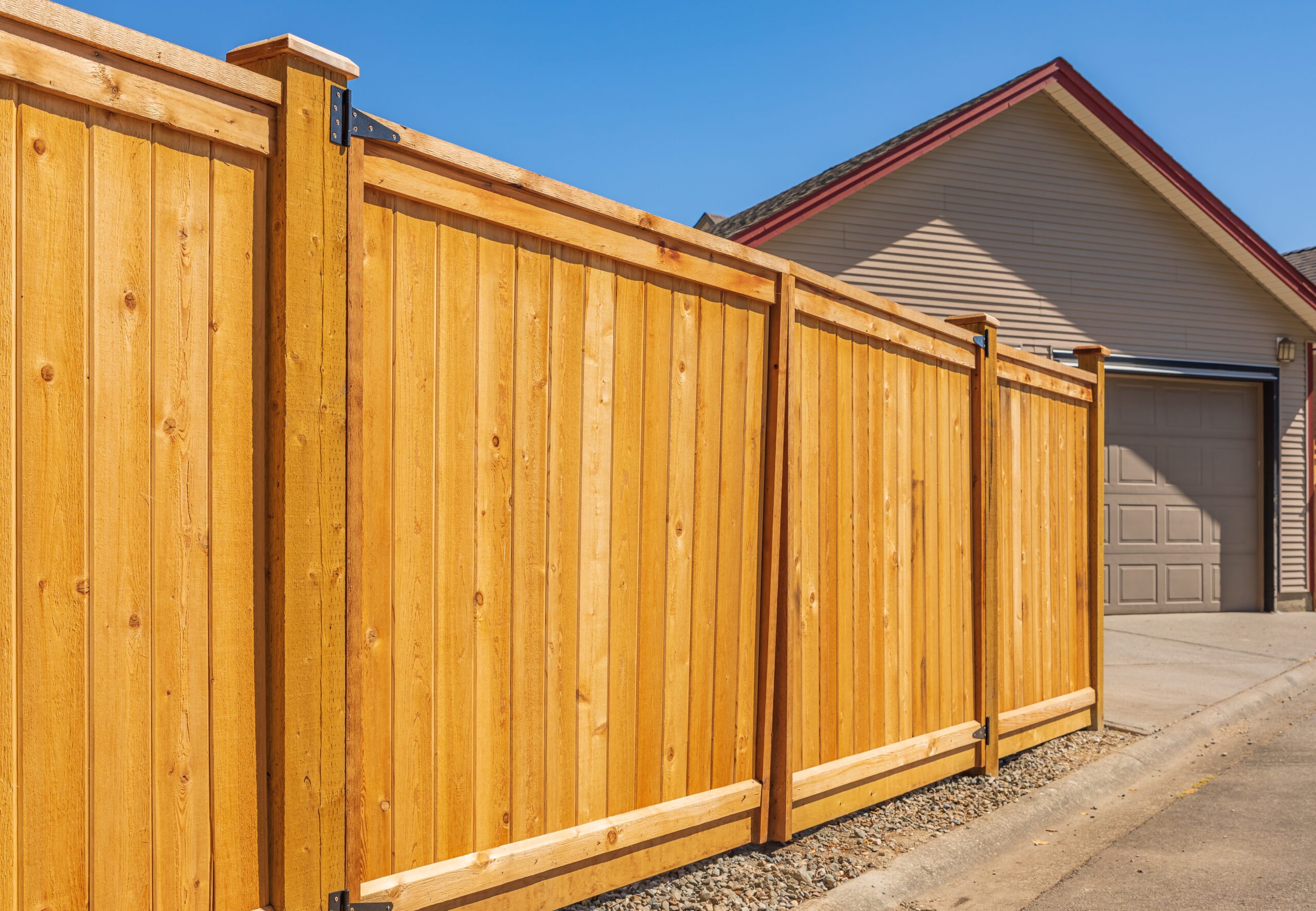
A new fence can improve privacy, security, and curb appeal, but one of the first questions homeowners ask is, “How much does a new fence cost?” The answer depends on several variables that go beyond just materials.
Fence pricing is shaped by design choices, property conditions, and installation requirements. Understanding these factors helps you plan your project with confidence and avoid unexpected costs.
Fence Materials Matter Most
The type of fence material you choose has the greatest impact on overall cost. Wood fencing offers a classic look but requires regular maintenance, while steel or aluminum fences are valued for durability and lower upkeep. Chain link is often the most budget-friendly option, especially for large areas, while custom or mixed materials tend to increase costs due to added labor and design detail.
Material quality, thickness, and finish all play a role in pricing, making material selection one of the most important decisions in the process.
Fence Height and Total Length
Fence size directly affects both material and labor costs. Taller fences require more posts and panels, and longer fence lines increase installation time. Privacy fences generally cost more than shorter or decorative options, and larger properties naturally require more materials overall.
These factors become especially noticeable when fencing an entire yard rather than a small section.
Yard Layout and Installation Conditions
Not every yard presents the same installation challenges. Flat, open spaces are typically easier and faster to work with, while sloped or uneven terrain increases labor. Rocky soil, existing trees, and limited access can also affect installation time and equipment needs.
More complex sites often require additional preparation, which can influence the final cost.
Gates and Custom Features
Gates and custom elements add both function and visual appeal, but they also increase the overall investment. Walk-through gates, double gates, decorative accents, and automated systems require additional materials and labor. While optional, these features can significantly improve usability and convenience.
Permits, Codes, and HOA Requirements
Local building codes and HOA guidelines may influence fence height, placement, or material selection. Some projects require permits or inspections, which should be factored into planning. Following local requirements helps avoid delays, revisions, or compliance issues after installation.
Why Installation Quality Matters
A fence is only as strong as its installation. Proper post depth, secure anchoring, and accurate alignment all affect how long a fence lasts. Professional installation focuses on long-term durability, helping prevent issues like leaning posts or premature wear.
While quality installation may cost more upfront, it often reduces repair and replacement costs over time.
Planning Your Fence with Confidence
Knowing what impacts the cost of a new fence helps you make informed decisions that align with your needs and budget. A well-planned fence isn’t just an expense, it’s an investment in your property’s function and appearance.
At Aqua Blu, we guide homeowners through material selection, layout planning, and installation to ensure every fence is built with purpose, precision, and lasting quality.