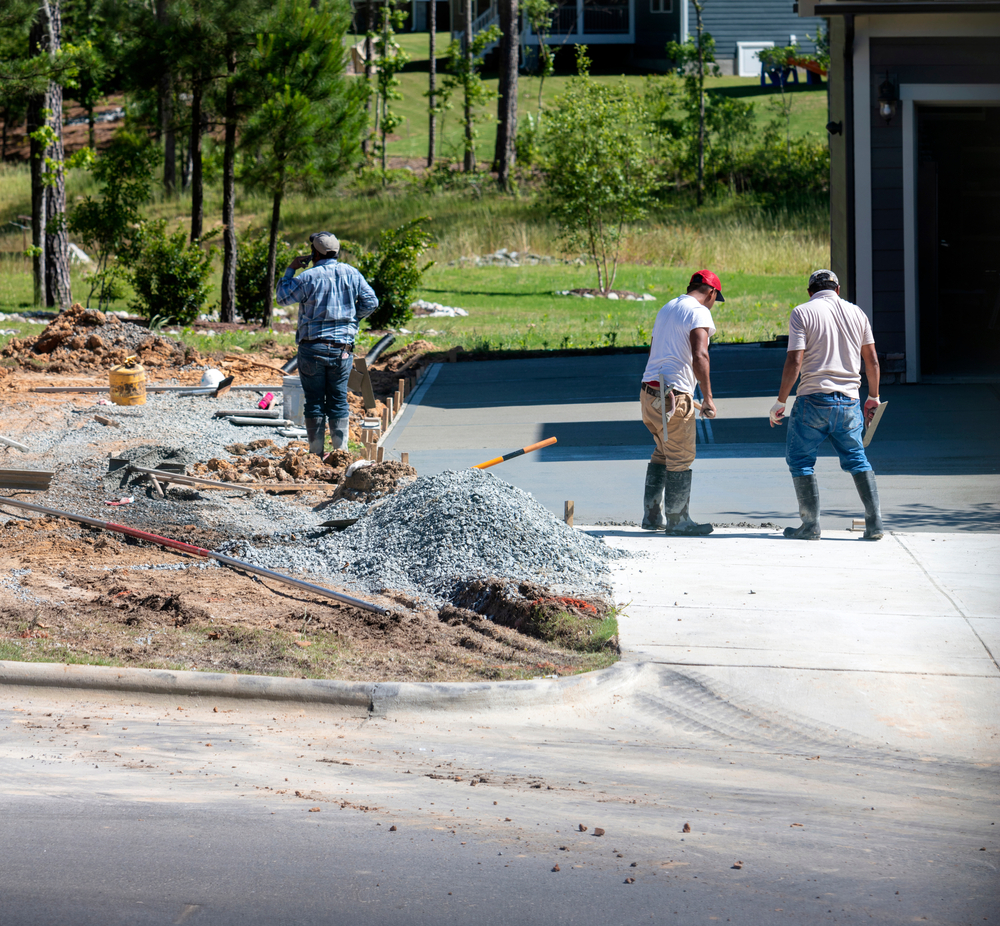
A concrete project usually starts with the finished result in mind: a new driveway, a patio, a walkway, or another usable surface. But before installation is scheduled, there are a few practical decisions that can make the project easier to plan and easier to live around.
Those decisions often come down to timing and coordination. The concrete has to fit the way the space will be used, the conditions around the property, and any other work happening nearby. Thinking through those details early can help avoid scheduling conflicts, access issues, and unnecessary disruption once the project is underway.
1. Know What the Concrete Needs to Handle
Start with how the finished area will actually be used. A backyard patio supporting furniture and foot traffic has different demands than a driveway carrying vehicles or a slab intended for heavier equipment.
That intended use can influence decisions such as slab design, reinforcement, and preparation beneath the concrete. Be specific about what will regularly move across or sit on the surface so the project can be planned around the loads it needs to support.
2. Coordinate Other Work Before the Pour
Once concrete is poured, making changes underneath or around it can become much more difficult. If the project overlaps with fencing, drainage, irrigation, utilities, or other site work, decide what needs to happen first so those elements are not blocked or forced to be reworked later.
For example, a future fence post, drain, conduit, or access point may be easier to account for before a slab occupies the space. Looking at the surrounding project instead of only the concrete footprint can help avoid cutting into or working around newly finished concrete later.
3. Consider Weather Before Scheduling the Pour
Temperature and moisture conditions can affect concrete as it is placed and cured. Hot, dry weather can increase moisture loss from the surface, making proper curing especially important during warmer parts of the year.
For a San Antonio project, discuss the expected conditions when scheduling the pour and how the concrete will be protected as it begins to cure. The surface may appear dry quickly in hot weather, but that does not mean the concrete is ready for normal use.
4. Plan Around the Curing Time
A finished surface may look ready well before it is ready for every type of use. Concrete continues gaining strength as it cures, so foot traffic, furniture, passenger vehicles, and heavier loads do not all return at the same time.
Light foot traffic may be possible relatively early on many residential projects, while a new driveway generally needs more time before vehicles return. Ask for the project-specific timeline before installation so you can plan parking, deliveries, outdoor furniture, pets, and other daily routines around the curing period.
5. Think About Access During and After Installation
Consider what the concrete project temporarily takes out of service. A driveway installation may change where vehicles can park. A backyard patio may affect access through a gate or side yard. Work near an entrance or walkway can change the route people use to reach the property.
It also helps to identify upcoming deliveries, landscaping work, moving trucks, or other heavy traffic. Scheduling those activities around the concrete project can prevent a newly placed surface from being used earlier or more heavily than intended.
Give the Project a Clear Plan Before the Pour
A successful concrete project starts with understanding how the finished space needs to function and what has to happen around it. Site conditions are another part of that planning, particularly where grading and base preparation affect the support beneath the slab.
If you’re planning a driveway, patio, walkway, or other concrete work in the San Antonio area, contact Aqua Blu Services to discuss the space, intended use, and installation plan before work begins.