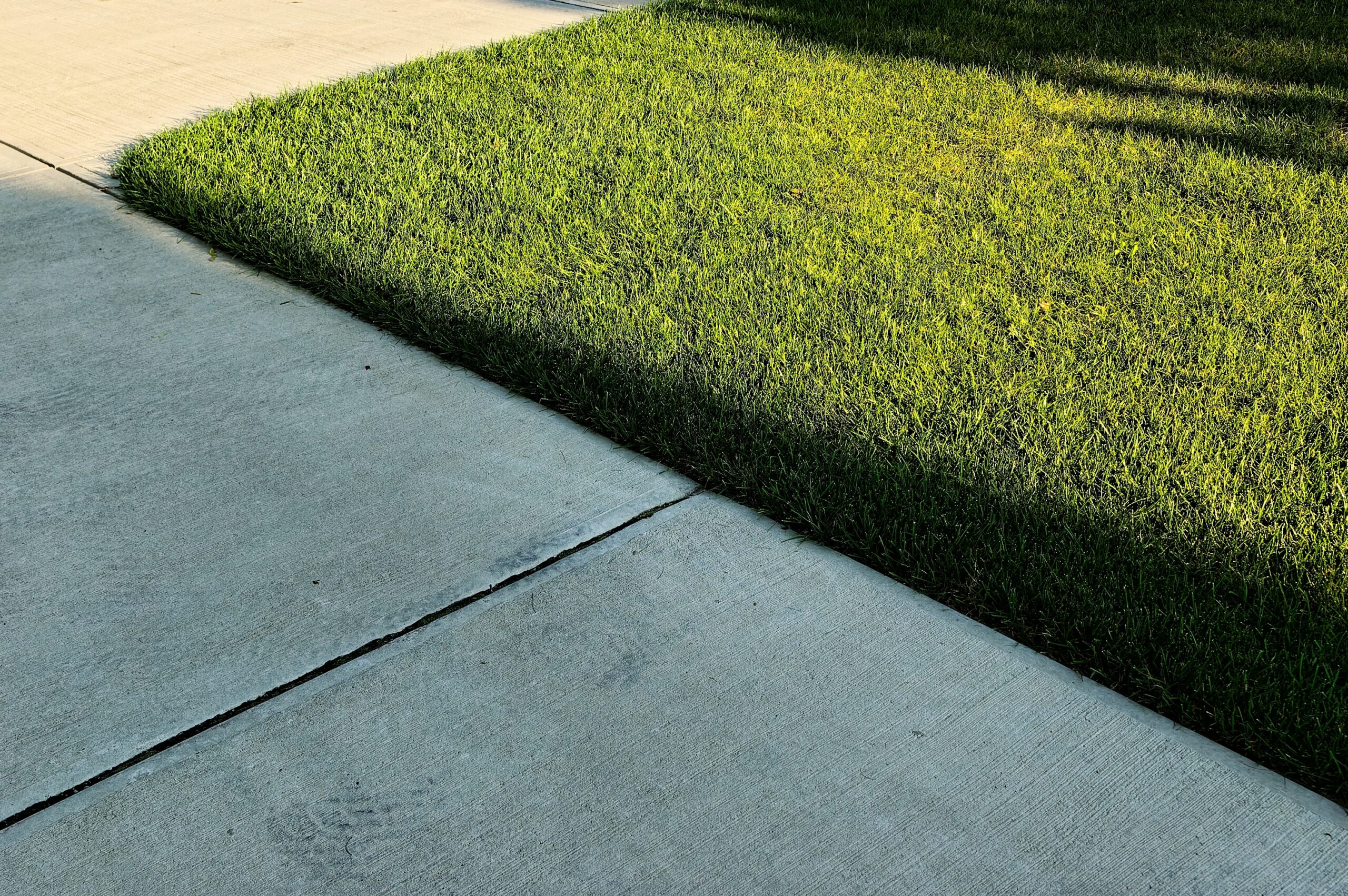
Have you ever noticed the small gaps or lines running through your driveway, patio, or sidewalk? They might not seem important, but they’re there for a reason.
Concrete expansion joints help protect outdoor surfaces from damage caused by temperature changes. They’re especially useful in Texas, where hot summers and cooler winters can affect concrete throughout the year. Here’s what homeowners should know about these often-overlooked features.
Why Concrete Needs Room to Move
Concrete may look completely solid, but it actually expands slightly when temperatures rise and contracts when they drop. When concrete doesn’t have enough room to move, pressure can build up and lead to cracks or other damage.
That’s where concrete expansion joints come in. These small gaps are placed between concrete sections and typically filled with flexible materials that allow movement without putting too much pressure on nearby surfaces.
Properly placed joints help concrete handle these changes and reduce the risk of unwanted damage.
Not All Concrete Joints Are the Same
You may have noticed straight lines running across sidewalks or driveways. While they look similar, not all of these lines serve the same purpose.
Expansion joints allow space for concrete to expand, while control joints help guide where cracks form as concrete shrinks during curing. Another type, called an isolation joint, separates concrete from nearby structures, such as walls or columns.
Each has a different job, but all help manage the natural changes that happen in concrete.
Where You’ll Find Them Around Your Home
Concrete joints are commonly used in outdoor areas where large surfaces or different structures meet.
Some common examples include:
- Driveways: Where the driveway meets a garage or another concrete surface.
- Patios: Where concrete connects to your home’s foundation.
- Sidewalks: Between sections of pavement or near fixed structures.
The placement and type of joint depend on the size and layout of the project, making proper planning an important part of installation.
Signs Your Concrete Joints Need Attention
Concrete joints don’t require much maintenance, but they’re worth checking occasionally. Over time, the material inside a joint can wear down, allowing dirt, weeds, and moisture to collect.
Look for missing or damaged filler, widening gaps, or uneven concrete near the joints. Keeping the gaps clean and addressing damaged materials can help maintain their function.
If you notice larger cracks or sections starting to shift, it’s a good idea to have a professional take a look before making repairs.
Build with Confidence with Aqua Blu
At Aqua Blu, we know that quality concrete work starts with proper planning and installation. Whether you’re adding a new driveway, patio, or walkway, our team works with you to create a durable, functional surface that fits your property and needs.
Contact Aqua Blu to get started!